Easy Tips for Keeping Kids’ Art Organized and Clutter-Free
Every parent knows the joy of seeing their child’s creativity come to life through art. From colorful drawings to imaginative crafts, kids’ artwork is a treasure trove of memories. However, as the masterpieces start to pile up, keeping them organized can quickly become a challenge. If you’re wondering how to manage your child’s art without feeling overwhelmed by clutter, this guide offers practical, easy-to-follow tips to keep those precious creations neat, accessible, and beautifully preserved.
Why Organize Kids’ Art?
Organizing artwork isn’t just about tidiness. It helps you:
– Preserve memories in an easy-to-access way
– Encourage your child’s creativity by showing you value their work
– Reduce clutter and keep your home orderly
– Easily share art with family and friends
– Teach kids about responsibility and organization
With these benefits in mind, let’s explore how to organize kids’ artwork effectively.
1. Create a Dedicated Art Space
Having a designated spot for art supplies and finished projects makes managing creations easier.
How to Set Up Your Art Space
– Use a small table or corner in your home exclusively for art activities.
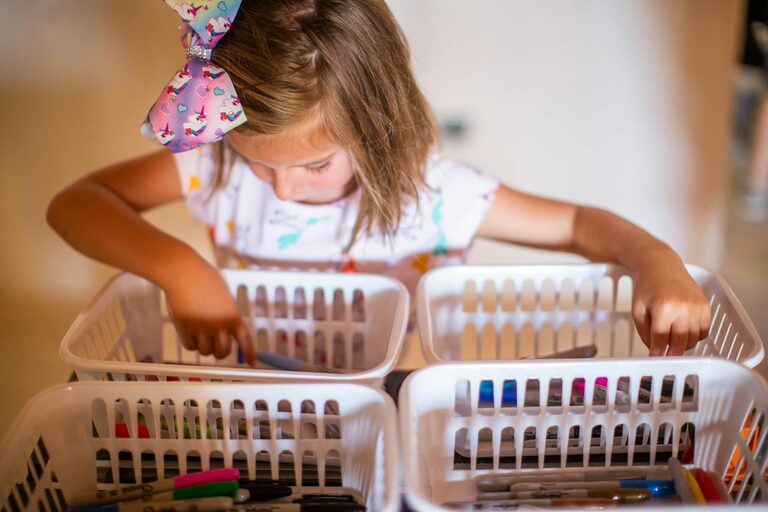
– Store supplies in labeled bins or drawers nearby.
– Keep a basket or folder in the area to collect finished pieces.
This approach sets boundaries so art doesn’t spread throughout the house and helps kids develop routines around their creative time.
2. Sort Artwork Regularly
To avoid overwhelming piles, sort through new artwork frequently, like once a week or after each art session.
What to Keep?
– Select pieces that represent milestones or special memories.
– Include projects that highlight new skills or interests.
– Pick your child’s favorites together to involve them in the process.
What to Recycle?
– Everyday doodles or duplicates that don’t hold sentimental value can be recycled.
– Teach kids the importance of decluttering by making sorting a fun activity.
3. Use Storage Solutions That Work
Once you’ve chosen which artworks to keep, storing them properly is key.
Storage Ideas
– Portfolios: Large, flat folders are perfect for keeping drawings and paintings neat and unwrinkled.
– Binders: Use plastic sleeves to store artwork in a binder, which lets you flip through pieces easily.
– Filing Boxes: Assign each child a file box with folders labeled by age or year.
– Storage Bins: Clear plastic bins work well for 3D crafts or bulkier projects.
Label storage containers with your child’s name and date ranges for quick reference.
4. Display Art Creatively
Showcasing your child’s work encourages pride and creativity.
Display Ideas
– Art Gallery Wall: Dedicate a wall or bulletin board where you can rotate artwork regularly.
– Frames with Open Fronts: These make swapping out pictures simple and keep art protected.
– Clipboards or String Displays: Hang clipboards or use clips on a string to create an easy-to-update display area.
– Digital Frames: Photograph artwork and use a digital photo frame for a rotating gallery.
Remember to rotate displays to keep things fresh and manage space.
5. Digitize The Collection
Digitizing artwork preserves memories and saves physical space.
Tips for Digitizing
– Take high-quality photos or scan artwork.
– Organize digital files by date, theme, or child’s age on your computer or cloud storage.
– Create digital photo books or slideshows to share with family.
– Use apps designed for organizing kids’ artwork, making it easier to store and browse digitally.
Digital archives also provide a backup if physical pieces are damaged or lost.
6. Turn Artwork Into Gifts or Keepsakes
Repurposing art can extend its life and reduce clutter.
Creative Ideas
– Make greeting cards or gift wrap from drawings.
– Print artwork on items like mugs, t-shirts, or calendars.
– Create a photo book compiling your child’s best pieces each year.
– Use art to decorate notebooks, binders, or scrapbooks.
These projects not only cherish your child’s creativity but also make meaningful gifts for relatives.
7. Involve Your Child in Organizing
Teaching kids to organize their own artwork builds responsibility and helps them value their creations.
How to Get Kids Involved
– Let them decide which pieces to keep or recycle.
– Encourage labeling or dating their artworks.
– Ask them to help set up displays or folders.
– Make organizing fun by turning it into a game or storytelling session.
This involvement can boost their confidence and develop lifelong organizational skills.
Final Thoughts
Keeping kids’ art organized is easier than it seems with a little planning and creativity. Whether you create a display wall, use storage bins, or digitize collections, the key is to find methods that fit your family’s routine and space. By regularly sorting, storing, and showcasing artwork, you can celebrate your child’s creativity while maintaining a clutter-free home. Plus, involving your children in the process teaches valuable skills and shows them how much you appreciate their imagination.
Try these tips today and turn your child’s flood of artwork into meaningful, manageable memories!