
How to Create a Relaxing Home Workspace for Better Productivity
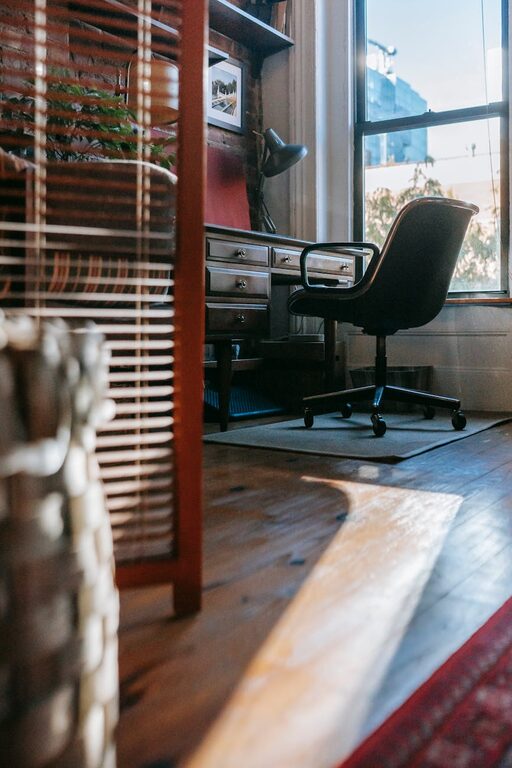
Creating a relaxing home workspace is essential for maintaining focus, reducing stress, and improving productivity. Whether you work full-time from home or occasionally need a quiet spot to tackle tasks, a well-designed workspace can make all the difference. In this guide, we’ll walk you through practical steps to set up a calming and efficient home office tailored to your needs.
Why a Relaxing Home Workspace Matters
Working in a cluttered or uncomfortable space can increase stress and decrease efficiency. A relaxing workspace helps create a positive mindset, making it easier to stay motivated and complete your work with ease. It also supports better ergonomic health, preventing fatigue and discomfort during long hours of sitting.
Step 1: Choose the Right Location
Find a Quiet Spot
Select a space in your home that’s free from distractions and noise. This could be a spare room, a corner in your living room, or even a section of your bedroom. Ideally, choose a location with natural light to enhance mood and alertness.
Consider Privacy and Boundaries
If you share your living space, set clear boundaries to minimize interruptions. Use room dividers, curtains, or even a simple “Do Not Disturb” sign to communicate when you’re working.
Step 2: Invest in Comfortable Furniture
Ergonomic Chair and Desk
Choose a chair that supports your back and encourages good posture. Pair it with a desk at the appropriate height to keep your wrists and arms comfortable while typing or writing. Adjustable furniture options are ideal to accommodate different tasks and preferences.
Add Supportive Accessories
Consider items like a footrest, laptop stand, or an external keyboard and mouse to create a more ergonomic setup. These small additions can significantly reduce strain and discomfort.
Step 3: Personalize Your Space with Soothing Elements
Use Calming Colors
Colors influence mood. Soft blues, greens, or neutral tones tend to promote relaxation and focus. Consider wall paint, artwork, or desk accessories in these hues.
Incorporate Plants
Adding greenery can improve air quality and create a calm atmosphere. Low-maintenance plants like succulents, snake plants, or pothos are great choices for busy schedules.
Soften the Lighting
Avoid harsh overhead lights. Use desk lamps with warm bulbs or adjustable light settings to reduce eye strain and create a cozy ambiance.
Step 4: Organize for Clarity and Efficiency
Declutter Regularly
Keep only essential items on your desk to minimize distractions. Use storage boxes, shelves, or drawers to tuck away papers and supplies.
Use Organizers and Labels
Trays, file holders, and pen cups help keep your workspace tidy. Label storage containers for quick access and better organization.
Maintain Digital Order
Keep your computer desktop and email inbox organized to reduce mental clutter and save time looking for important files.
Step 5: Manage Noise and Distractions
Use Noise-Cancelling Tools
If background noise is unavoidable, consider noise-cancelling headphones or white noise machines to help maintain concentration.
Set Boundaries with Others
Communicate your work hours clearly to family or housemates, and establish rules for interruptions during those times.
Step 6: Incorporate Break and Movement Spaces
Take Regular Breaks
Set timers to remind yourself to stand, stretch, or take short walks. Movement helps reduce physical tension and refreshes your mind.
Create a Mini Relaxation Zone
If space permits, add a comfortable chair or cushion where you can briefly step away from the desk and relax.
Step 7: Add Personal Touches Without Overcrowding
Display Inspiring Items
Photos, artwork, or motivational quotes can boost your mood and creativity.
Keep Essential Tools Handy
Have your favorite notebooks, pens, or gadgets within reach, but avoid piling up unnecessary items.
Final Thoughts
Designing a relaxing home workspace is a balance between functionality and comfort. By thoughtfully selecting your location, investing in ergonomic furniture, personalizing the area with soothing elements, and maintaining organization, you create a space that supports both your productivity and well-being. Remember, small changes can make a big difference, so start with what feels right and adjust as you go.
Creating your ideal home workspace is a personal journey—make it a place you genuinely enjoy spending time in every day.